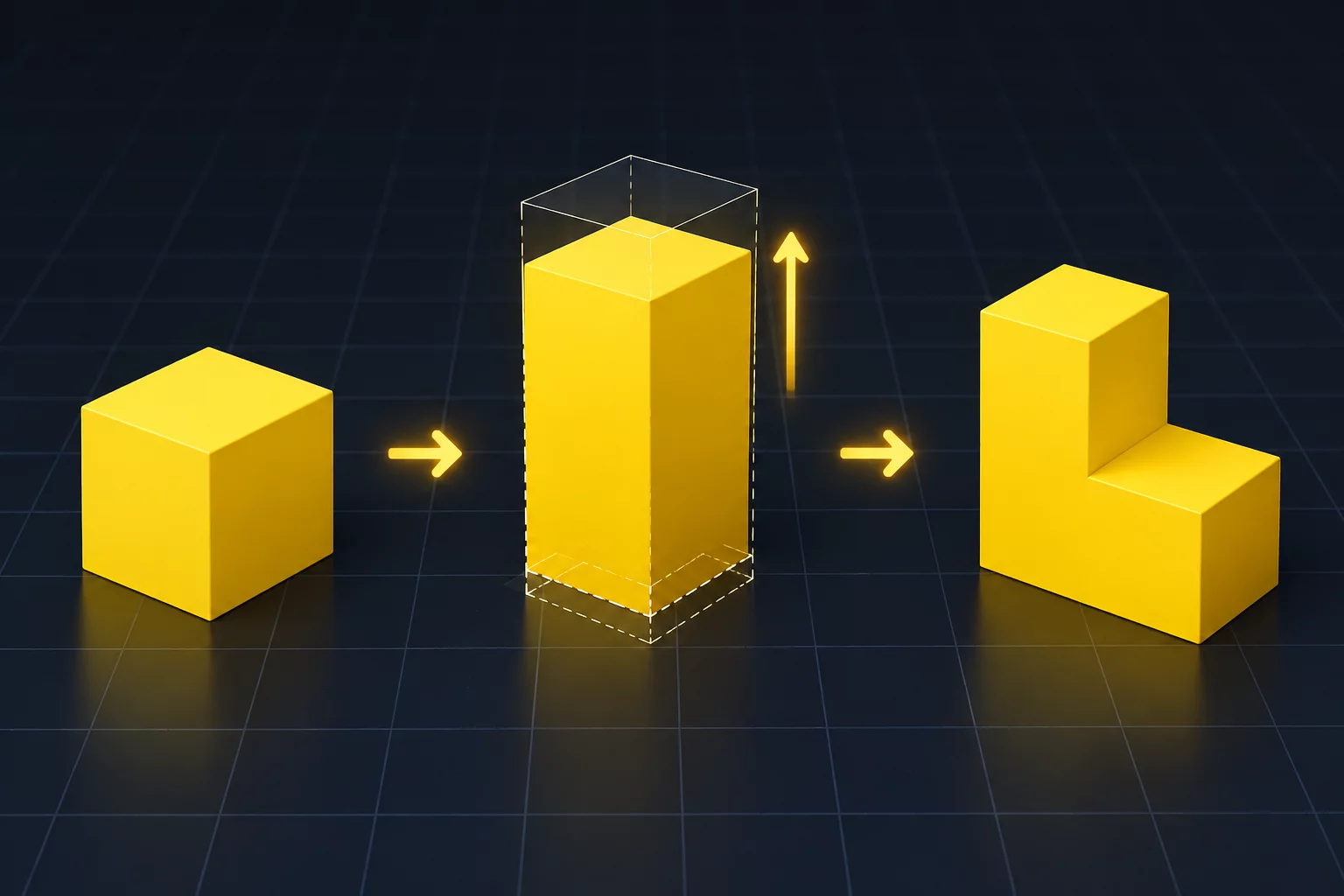
Explore essential 3D computer-aided design principles from initial sketch geometry to parametric solid transformations. Learn how coordinate workplanes, geometric constraints, and boolean operations interact to create precise CAD models ready for physical manufacturing and digital visualization.
Parametric Precision and Advanced Geometric Systems
Modern engineering demands seamless synchronization between procedural modeling kernels and real-time visualization frameworks. TLnkerccads bridges the gap between mechanical design precision and web-first accessibility, facilitating instantaneous computation of boundary representations directly within browser viewports.
Core Computational Advantages
- Direct procedural editing with instantaneous parameter rebinding.
- Multi-threaded geometry tessellation executed via local WebAssembly routines.
- Deterministic assembly constraints preventing misalignment errors in mechanical stacks.
Interoperability & Output Formats
Engineering pipelines depend on unhindered data exchange across CAD packages. Projects created in TLnkerccads maintain total fidelity when exported to industry-standard downstream manufacturing utilities.